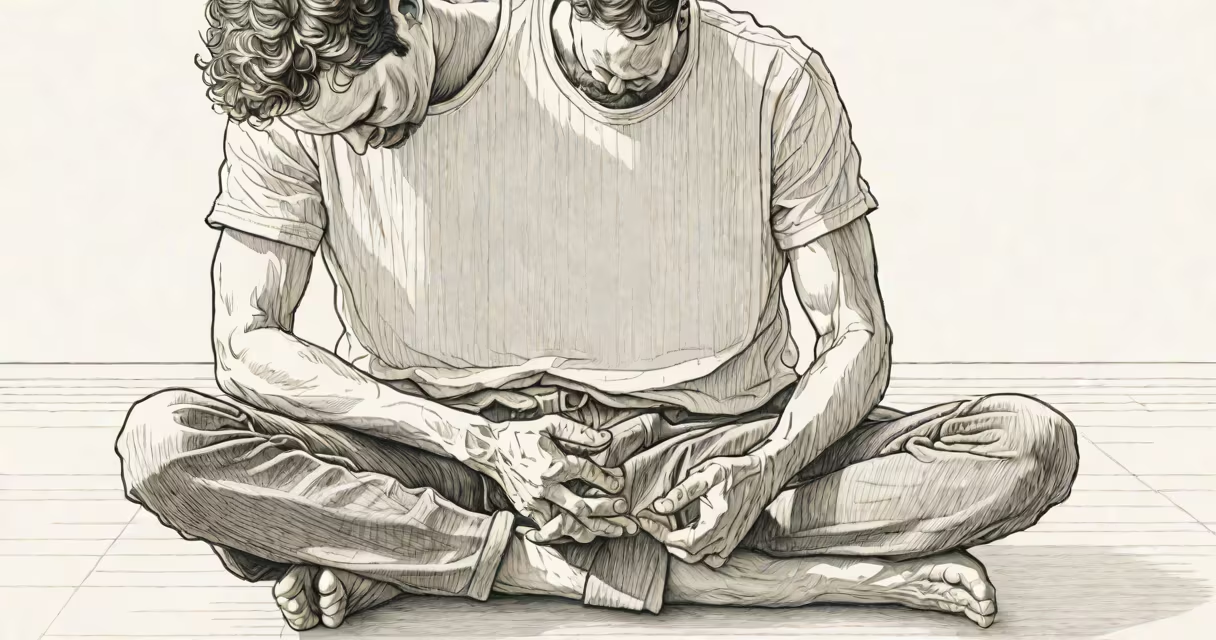
mindfulness of the body is a meditative practice rooted in observing physical sensations-breath, posture, temperature, tension-with non-judgmental attention. It anchors awareness in the present moment through direct sensory experience of the body. This technique is central to Buddhist mindfulness traditions and widely adapted in modern mental health and wellness programs.
It begins with sitting quietly and directing attention to bodily sensations. You notice the rise and fall of the abdomen during breathing, the contact of feet with the floor, or warmth in the palms. There's no effort to change anything-just observing. When thoughts arise, such as "This is uncomfortable" or "I should be doing better," you acknowledge them and return focus to the body. Over time, this builds stability in attention and reduces reactivity to stress.
The practice is not about relaxation, though many report feeling calmer afterward. It's about developing clarity. By staying with sensation as it is-without labeling it good or bad-you train the mind to tolerate uncertainty and discomfort. This is especially useful for people managing chronic pain, anxiety, or trauma-related symptoms.
When you focus on the body, neural pathways associated with interoception-the perception of internal bodily states-become more active. Interoceptive awareness is linked to emotional regulation and decision-making. A 2018 study published in *Frontiers in Human Neuroscience* found that participants who practiced body-focused mindfulness showed increased activity in the insular cortex, a brain region tied to self-awareness and empathy.
Each session typically lasts 10 to 30 minutes. You start by settling into a stable posture-sitting upright, lying down, or standing. Close your eyes or soften your gaze. Bring attention to the breath at the belly or nostrils. After a few breaths, shift focus to the whole body. Scan slowly from toes to scalp, noticing areas of pressure, warmth, tingling, or numbness. No need to fix anything. Just observe.
For example, if you feel tightness in your shoulders, don't try to release it. Instead, label it: "tension." Then return to the sensation. If your mind wanders to a work email, gently note "thinking" and come back. This repetition strengthens attention control and reduces rumination.
While the core remains consistent, several forms exist based on tradition and application:
| Type | Origin | Focus Area | Use Case |
|---|---|---|---|
| Body Scan | Buddhist Vipassana | Systematic attention from head to toe | Reducing physical tension, improving sleep |
| Walking Meditation | Theravāda Buddhism | Foot contact, weight shifts, arm swing | Grounding during anxiety, integrating mindfulness into movement |
| Posture Awareness | Modern Mindfulness-Based Stress Reduction (MBSR) | Seated or standing alignment, breath coordination | Managing chronic pain, improving focus during work |
Body scan is often taught in MBSR programs. Jon Kabat-Zinn, founder of MBSR, developed it in the 1970s to help patients with chronic illness manage symptoms. His research, published in *Journal of Psychosomatic Research*, showed significant reductions in pain severity and psychological distress after eight weeks of daily 30-minute scans.
A common mistake is treating the body scan as a relaxation exercise. It's not. The goal isn't to feel calm-it's to notice. If you're tense, stay with it. If you're cold, feel it. The act of staying present-even in discomfort-is the training.
People often mix mindfulness of the body with somatic therapy or progressive muscle relaxation. These differ in intent. Somatic therapy aims to release stored trauma through guided tension and release cycles. Progressive relaxation teaches you to consciously tighten and then loosen muscles. mindfulness of the body doesn't involve tensing or releasing-it's pure observation.
Another misconception: that you must feel something to be doing it right. You don't. If your body feels numb or blank, that's still valid data. The absence of sensation is as real as heat or pressure. Noticing "nothing" is part of the practice.
Some assume they need special equipment. They don't. All you need is a quiet space and willingness to sit. I've done sessions in waiting rooms, on buses, and while folding laundry. The environment matters less than consistency. Even five minutes daily yields measurable benefits over time.
Consider Sarah, a software developer with recurring neck pain. She tried stretching and medication but felt no lasting relief. Her therapist introduced her to mindfulness of the body. She began with a 10-minute daily body scan using a free audio guide.
Day 1: She noticed stiffness in her upper back and tightness behind her eyes. She labeled both: "tension," "pressure." No judgment. She returned to the sensation each time her mind wandered to deadlines.
After two weeks, she reported fewer episodes of pain. Not because the pain disappeared-but because she stopped reacting to it. She'd notice the ache, pause, and continue working. Her stress response weakened. Her doctor later noted improved posture during follow-up visits.
This outcome aligns with findings from a 2020 randomized controlled trial in *JAMA Internal Medicine*. Patients with chronic low back pain who practiced body awareness for eight weeks reduced pain catastrophizing and improved functional mobility compared to controls.
For beginners, start small. Sit for five minutes. Focus on the breath. Then shift to the soles of your feet. Notice weight, texture, temperature. When distracted, return. No need to achieve anything. Just show up.