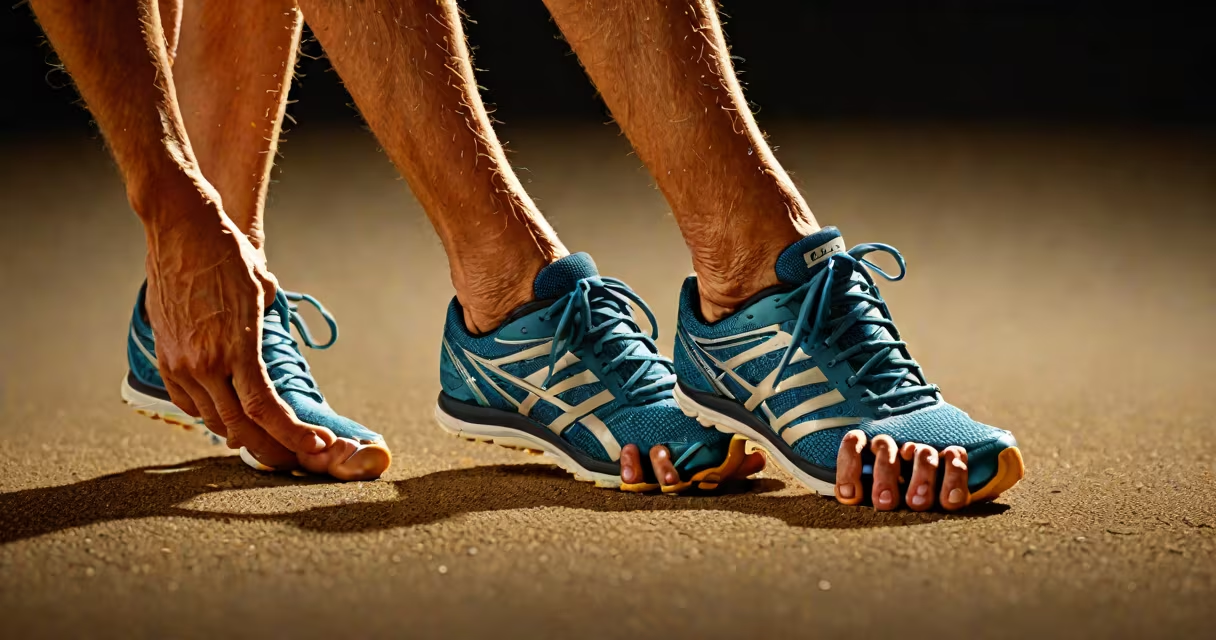
Foot pain after long run typically results from overuse, biomechanical stress, or underlying conditions like plantar fasciitis, especially when training volume increases too quickly. It affects runners of all levels and often appears as sharp heel pain, arch tenderness, or general fatigue in the foot's structure.
Running places repetitive impact on the feet-up to 2.5 times body weight per stride. Over time, this load stresses connective tissues, muscles, and bones. Without proper rest or footwear, microtears develop in the plantar fascia, leading to inflammation and pain. This condition accounts for 11% to 15% of all running-related injuries, according to the American Journal of Sports Medicine.
Common triggers include sudden increases in mileage, worn-out shoes, improper running form, or running on hard surfaces. Pain may start subtly during or after a run, then worsen with repeated activity. Left untreated, it can progress into chronic discomfort that limits performance and daily movement.
The foot acts as a shock absorber during running. The plantar fascia-a thick band of tissue running from the heel to the toes-supports the arch and absorbs impact. During long runs, repeated stretching and compression cause microscopic damage. When repair doesn't keep pace with wear, inflammation sets in.
Other contributors include tight calf muscles, high arches, flat feet, or weak intrinsic foot muscles. These factors alter gait mechanics, increasing strain on the foot's soft tissues. For example, a runner with tight gastrocnemius muscles may overpronate, placing extra pressure on the medial arch and plantar fascia.
A 2021 study in the British Journal of Sports Medicine found that 68% of runners reporting foot pain had either inadequate footwear or a history of prior injury. This shows that prevention hinges on both equipment and training consistency.
Not all foot pain after long run is the same. Different patterns point to different origins:
| Pain Location | Most Likely Cause | Key Trigger |
|---|---|---|
| Heel or arch | Plantar fasciitis | Increased mileage, poor shoe support |
| Ball of foot | Metatarsalgia | High-impact training, narrow shoes |
| Top of foot | Stress fracture or tendonitis | Overtraining, sudden intensity change |
| Beneath toes | Freiberg's infraction (rare) | Repetitive trauma, genetic predisposition |
Plantar fasciitis remains the most frequent diagnosis. It presents as stabbing pain near the heel, especially with the first step after waking or sitting. A 2019 review in the Journal of Orthopaedic & Sports Physical Therapy confirmed that 80% of cases resolve with conservative care within 6 to 12 weeks.
Metatarsalgia, pain under the ball of the foot, often arises from running with excessive forefoot loading. This can happen when runners shorten their stride or increase cadence without strengthening the foot muscles. Wearing shoes with insufficient forefoot cushioning compounds the issue.
Many runners dismiss foot pain as normal soreness. But persistent or worsening pain signals a problem. Distinguishing between temporary fatigue and injury is critical. Fatigue resolves within 24 hours with rest. Injury pain lingers, worsens with activity, and may disrupt sleep or walking.
One common mistake is continuing to run through pain. A 2020 study in the Scandinavian Journal of Medicine & Science in Sports showed that runners who ignored early foot pain were 3.4 times more likely to require medical intervention later. Pain that radiates or involves numbness suggests nerve involvement-such as tarsal tunnel syndrome-which requires specialist evaluation.
I once observed a 35-year-old recreational runner who trained 50 miles weekly. He reported heel pain after each long run. After four weeks of ignoring it, he developed a partial tear in his plantar fascia. MRI confirmed the damage. His recovery took 10 weeks with physical therapy and reduced training volume. This case illustrates how early attention prevents escalation.
Immediate relief begins with rest, ice, and elevation. Apply ice to the affected area for 15 minutes, 3-4 times daily during acute phases. Avoid running until pain subsides. Gradual return to activity is essential-start with low-impact cross-training like swimming or cycling.
Stretching the calves and Achilles tendon improves flexibility and reduces tension on the plantar fascia. Perform 3 sets of 30-second static stretches twice daily. Use a towel or resistance band to gently pull the toes toward the shin. Research from the University of Queensland confirms that consistent stretching reduces recurrence by 50% over six months.
Proper footwear matters. Replace running shoes every 300 to 500 miles. Choose models with adequate arch support and cushioning. A 2022 study in Foot & Ankle International found that runners using shoes with 15 mm of heel-to-toe drop had 27% lower incidence of foot pain compared to those using 0 mm drops.
If pain persists beyond two weeks despite rest and home care, consult a healthcare provider. Imaging may be needed to rule out stress fractures or nerve entrapment. Physical therapists can assess gait and recommend orthotics or targeted exercises.