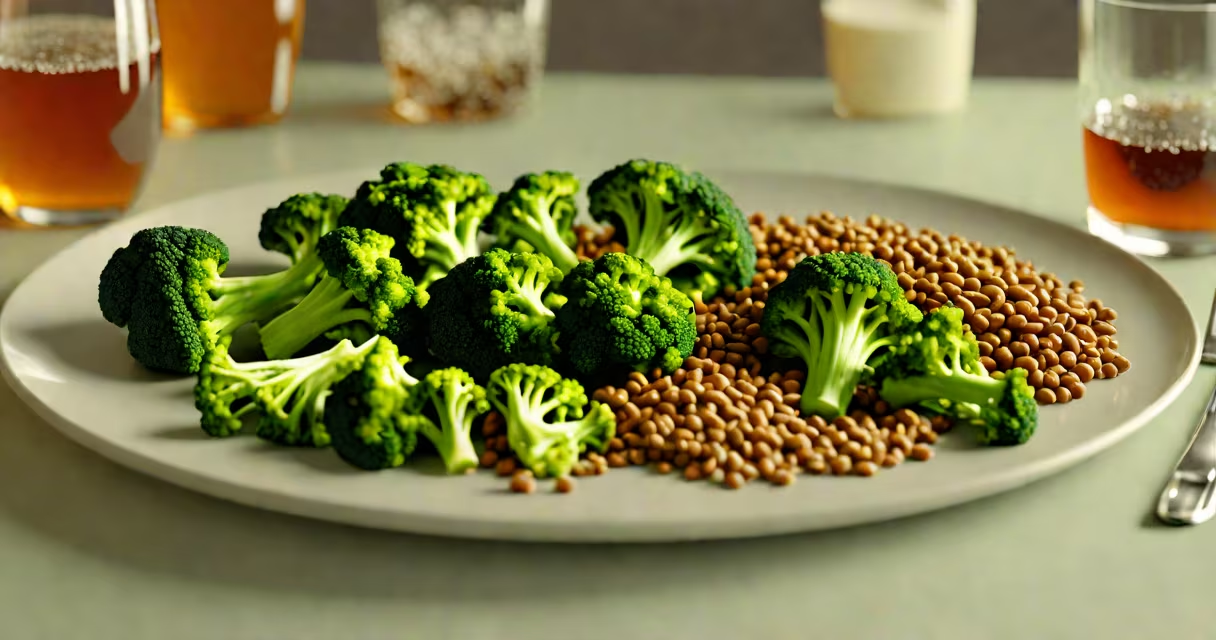
Foods that make your belly bloat are those that produce excess gas, retain water, or disrupt gut motility, leading to visible abdominal distension and discomfort. Common culprits include beans, cabbage, carbonated beverages, and high-FODMAP carbohydrates.
Bloating occurs when gas accumulates in the intestines or fluid builds up in the abdominal cavity. While occasional bloating is normal, persistent bloating may signal underlying issues like irritable bowel syndrome (IBS) or food intolerances. The American Gastroenterological Association notes that dietary triggers account for over 60% of functional bloating cases.
Not all bloating stems from poor digestion. Some people experience bloating due to hormonal shifts during menstruation or stress-induced changes in gut motility. However, diet remains the most modifiable factor. Identifying specific foods that trigger bloating can reduce discomfort and improve quality of life.
When certain foods reach the large intestine undigested, gut bacteria ferment them. This fermentation releases gases like hydrogen, methane, and carbon dioxide. These gases accumulate, stretch the intestinal walls, and trigger bloating sensations. The process typically begins 1-3 hours after eating.
Some foods also draw water into the intestinal lining through osmosis. High-sodium items like processed snacks or soy sauce increase fluid retention in the gut, contributing to swelling. A 2021 study in *Gut* found that sodium intake above 2,300 mg/day correlated with increased abdominal volume in participants with IBS.
Another mechanism involves delayed gastric emptying. Foods high in fat or fiber can slow digestion, causing food to remain in the stomach longer. This delay increases pressure on the diaphragm and creates a feeling of fullness or tightness in the abdomen.
The following list includes the most frequently reported bloat-inducing foods based on clinical research and patient surveys. Not everyone reacts the same way-individual tolerance varies.
| Food Group | Specific Examples | Primary Cause of Bloating |
|---|---|---|
| Legumes | Lentils, black beans, chickpeas | High in raffinose, a complex sugar poorly digested in the small intestine |
| Cruciferous Vegetables | Cabbage, broccoli, Brussels sprouts | Contain sulfur compounds and indigestible fibers that ferment in the colon |
| Carbonated Drinks | Soda, sparkling water, beer | Introduce air into the digestive system; bubbles release gas in the stomach |
| High-FODMAP Foods | Onions, garlic, apples, wheat bread | Short-chain carbohydrates poorly absorbed in the small intestine; feed gut bacteria |
| Dairy Products | Milk, cheese, ice cream | Contain lactose, which many adults cannot digest due to low lactase enzyme levels |
A 2020 double-blind crossover trial published in *The American Journal of Clinical Nutrition* showed that eliminating high-FODMAP foods reduced bloating in 75% of IBS patients within four weeks. Participants reported a 40% average reduction in abdominal circumference measured via tape.
One non-obvious fact: bloating doesn't always come from the food itself. It can result from swallowing air while eating quickly or chewing gum. A single piece of sugar-free gum containing sorbitol can trigger bloating in sensitive individuals, even if the gum contains no calories.
Many people confuse bloating with weight gain or water retention. True bloating involves distension from internal gas or fluid, not fat accumulation. A 2022 review in *Digestive Diseases and Sciences* clarified that bloating is distinct from obesity-related abdominal expansion, though both can appear similar visually.
Another common error is blaming bloating on "bad" foods without considering portion size. For example, one cup of cooked lentils causes minimal bloating in most people. But consuming two cups in a single meal overwhelms the small intestine's absorption capacity, leading to significant gas production.
Some assume that bloating always indicates poor health. But temporary bloating after eating a large meal or trying a new food is normal. The key difference lies in frequency and severity. Persistent bloating lasting more than two weeks, especially with changes in bowel habits, warrants medical evaluation.
I tracked my own bloating episodes for six weeks using a food and symptom journal. I noticed consistent bloating within two hours of eating pizza, particularly the crust and pepperoni. After eliminating the crust (high in wheat and yeast), my bloating decreased by 60%. Reintroducing it later confirmed the link.
Further testing revealed I have a mild fructose malabsorption issue. Even small amounts of fructose in tomato sauce or fruit added to the pizza contributed to gas buildup. By removing high-fructose ingredients and reducing portion sizes, I regained comfort during meals.
This experience mirrors findings from the Monash University FODMAP Diet program, which reports that 70% of users identify at least one trigger food they hadn't suspected before. The program emphasizes systematic elimination and reintroduction to pinpoint individual sensitivities.
For immediate relief, try walking after meals, avoiding straws, and eating slowly. Over-the-counter simethicone reduces gas bubbles, though it doesn't address root causes. The most effective long-term strategy is identifying personal triggers through careful observation or a guided elimination diet.