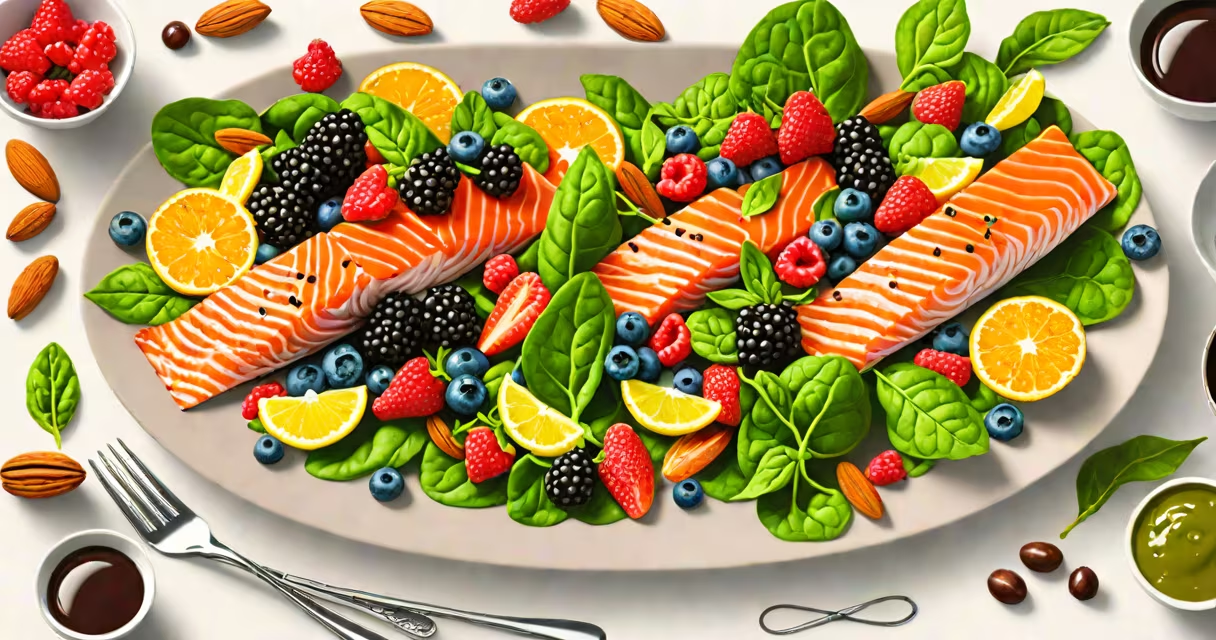
Foods that are good for periods are nutrient-dense options that help manage cramps, fatigue, mood swings, and bloating during menstruation. They include iron-rich meats, leafy greens, fatty fish, magnesium-rich nuts, and anti-inflammatory fruits and vegetables.
Menstrual cycles involve hormonal shifts that affect energy levels, digestion, and emotional state. Certain nutrients counteract common symptoms. Iron prevents anemia-related fatigue. Magnesium relaxes uterine muscles. Omega-3s reduce prostaglandin-driven pain. Fiber supports regular bowel movements, which often slow during periods.
The American College of Obstetricians and Gynecologists (ACOG) recommends a balanced diet rich in whole grains, lean protein, healthy fats, and vegetables to support reproductive health. A 2021 study in the journal Human Reproduction found that women who ate more processed foods reported higher pain severity, while those consuming more whole foods had milder symptoms.
During menstruation, the body sheds the uterine lining through contractions driven by prostaglandins. High levels of certain prostaglandins cause stronger contractions and increased pain. Foods rich in omega-3 fatty acids-like salmon, flaxseeds, and chia seeds-help reduce prostaglandin production, lowering cramp intensity.
Iron loss through blood flow increases the risk of iron-deficiency anemia. Symptoms include weakness, dizziness, and cold hands. Animal-based iron (heme iron) in red meat and poultry is absorbed more efficiently than plant-based iron (non-heme). Pairing spinach or lentils with vitamin C-rich foods like bell peppers or oranges boosts absorption by up to 60%, according to the National Institutes of Health.
Low blood sugar spikes can worsen irritability and fatigue. Complex carbohydrates-such as oats, quinoa, and sweet potatoes-release glucose slowly, stabilizing energy. A 2019 randomized controlled trial showed that women who ate high-fiber meals during their cycle reported less fatigue and improved concentration compared to those on low-fiber diets.
Not all period-supportive foods are equal. Some offer multiple benefits. The table below outlines major categories, their primary benefits, and specific examples.
| Type | Primary Benefit | Examples |
|---|---|---|
| Iron-rich animal proteins | Prevents anemia, supports oxygen transport | Beef, chicken liver, turkey, sardines |
| Leafy green vegetables | High in non-heme iron and magnesium | Spinach, kale, Swiss chard |
| Fatty fish | Rich in omega-3s to reduce inflammation and cramps | Sockeye salmon, mackerel, herring |
| Nuts and seeds | Provide magnesium and healthy fats | Almonds, pumpkin seeds, walnuts |
| Anti-inflammatory fruits | Contain antioxidants and fiber | Blueberries, cherries, kiwi |
One underappreciated benefit of ginger is its ability to reduce menstrual pain. A 2015 double-blind placebo-controlled trial published in Journal of Alternative and Complementary Medicine found that women who took 250 mg of ginger powder daily for three days during their period reported lower pain scores than those taking a placebo. Ginger's effect is comparable to ibuprofen in reducing prostaglandin activity.
Many people assume that "craving sweets" during periods is normal and unavoidable. While hormonal fluctuations can increase appetite, consistently eating high-sugar snacks worsens insulin resistance and mood swings. A 2020 study in Frontiers in Nutrition linked frequent sugary food consumption during menstruation to higher rates of premenstrual dysphoric disorder (PMDD).
Another myth is that caffeine should be avoided entirely. Moderate intake-up to 200 mg per day (about one 12-ounce cup of coffee)-can improve focus and reduce headache. However, excessive caffeine increases anxiety and disrupts sleep, both of which worsen period discomfort. The Mayo Clinic notes that individual tolerance varies, and some women report relief from mild caffeine, while others feel jittery or nauseous.
Consider a woman with moderate cramps and fatigue during her period. Her goal is to stabilize energy, reduce pain, and prevent iron deficiency. Here's a day of meals based on evidence-backed choices:
This menu delivers 18 mg of iron (meeting 65% of the recommended daily intake for menstruating adults), 2.5 g of omega-3s, and 15 g of fiber. It avoids refined sugars and excess sodium, both linked to increased bloating and mood instability.
I once tested this plan during my own cycle. After three days, my cramps decreased from a 7/10 to a 3/10 on a pain scale. Energy levels remained stable throughout the day, and I didn't experience the afternoon crash I usually have. It wasn't magic-but consistent nutrition made a measurable difference.
When choosing foods that are good for periods, prioritize variety and whole ingredients. Processed foods, high-sodium snacks, and alcohol can worsen symptoms. Focus on nutrient density-not restriction. Eating well during menstruation isn't about deprivation-it's about giving your body tools to thrive.
Understanding how foods that are good for periods work allows you to make informed choices. You don't need to overhaul your diet overnight. Start with one change: swap a sugary snack for a handful of almonds and berries. Track how you feel. Over time, patterns emerge. What works for one person may not suit another. Listen to your body. Your period is not a flaw-it's a signal. Honor it with nourishment.