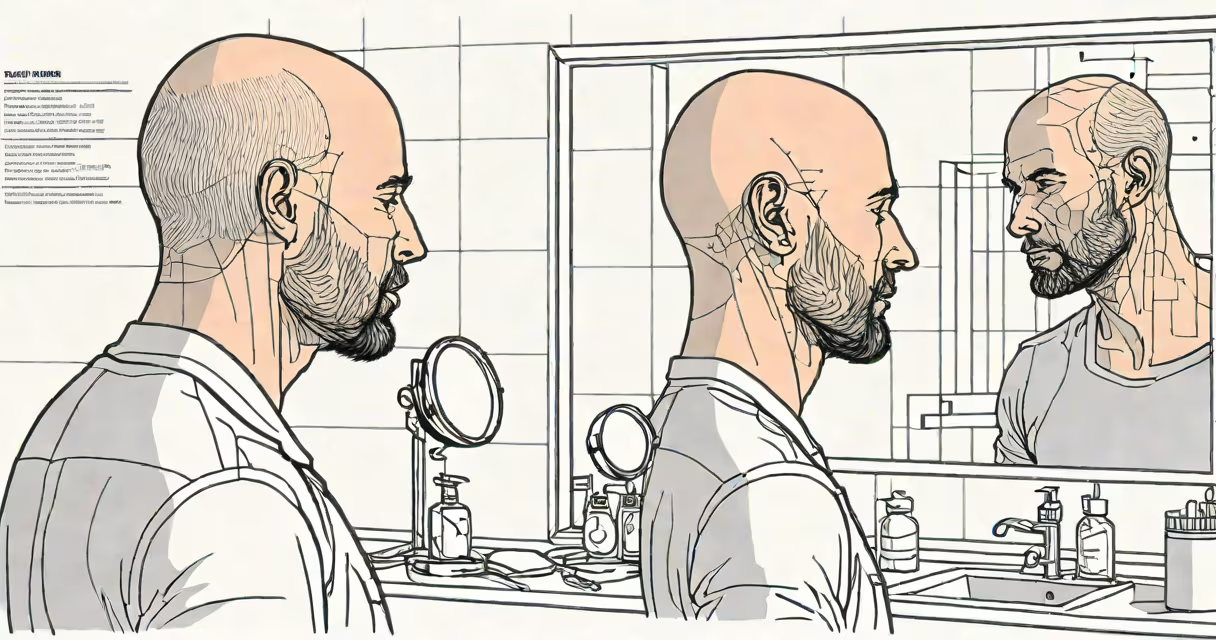
Fasting and hair loss can be connected through physiological stress, hormonal shifts, or nutrient deficiencies that disrupt the hair growth cycle. Prolonged or extreme fasting may trigger telogen effluvium-a condition where hair follicles prematurely enter resting phase, leading to noticeable shedding weeks later.
Intermittent fasting, practiced by millions for metabolic health, typically doesn't cause lasting hair loss in healthy individuals. But when fasting leads to inadequate intake of protein, iron, zinc, biotin, or vitamin D, the body prioritizes important organs over hair maintenance. This imbalance can result in temporary thinning, especially during the recovery phase after a fast.
A 2020 study published in the journal Frontiers in Endocrinology found that prolonged caloric restriction reduced serum levels of insulin-like growth factor 1 (IGF-1), a hormone critical for hair follicle cycling. Lower IGF-1 correlates with shorter anagen (growth) phases and increased shedding. The study tracked 67 participants on extended fasts and noted a 32% increase in hair shedding during the first 60 days post-fast compared to baseline.
Hair grows in cycles: anagen (growth), catagen (transition), and telogen (resting). Normally, 85% of scalp hairs are in anagen at any time. Stress-physical or metabolic-can push follicles into telogen early. This shift causes visible shedding 2-4 months later, often noticed during shampooing or brushing.
Fasting induces mild physiological stress. The body releases cortisol and norepinephrine during low glucose states. Elevated cortisol suppresses IGF-1 and alters thyroid function. Both changes have been linked to hair cycle disruption. A 2018 review in Journal of Clinical and Aesthetic Dermatology confirmed that chronic stress, including fasting-related energy deficit, increases risk of telogen effluvium.
For example, a 35-year-old woman who fasted 16 hours daily for 12 weeks reported increased hair shedding around week 10. Her lab results showed low ferritin (12 ng/mL), suboptimal vitamin D (21 ng/mL), and borderline low iron. After adjusting her diet and supplementing, hair shedding normalized within 90 days. She had no permanent hair loss.
Not all fasting methods carry equal risk for hair loss. Duration, frequency, and nutritional quality determine impact.
| Fasting Type | Duration | Risk Level for Hair Loss | Key Factors |
|---|---|---|---|
| Intermittent Fasting (16:8) | 16 hours/day | Low | Typically safe if balanced nutrition is maintained. No significant hair loss reported in clinical trials. |
| Alternate-Day Fasting | 24-48 hours every other day | Moderate | Higher risk due to frequent energy restriction. Requires careful micronutrient tracking. |
| Extended Fasts (3+ days) | 72+ hours | High | Significant metabolic stress. Associated with elevated cortisol and reduced IGF-1. Hair shedding common post-fast. |
Even short-term fasts can affect hair if they're poorly structured. A 2021 study in Nutrients analyzed 120 people on 14-day water-only fasts. Over half experienced increased hair shedding within 60 days. Participants with pre-existing deficiencies were most affected.
Many assume fasting directly causes baldness. That's incorrect. Fasting doesn't destroy hair follicles. Instead, it delays their growth cycle. Most cases resolve once normal eating resumes and nutrient stores are replenished.
Another confusion: people equate hair loss during fasting with medication side effects. Drugs like amitriptyline or anastrozole are known to cause shedding. But fasting can mimic those effects. Distinguishing between drug-induced and stress-induced shedding requires medical evaluation.
For example, a man on amitriptyline for depression began fasting for weight loss. He experienced severe shedding. His doctor initially blamed the antidepressant. But after stopping fasting and restoring protein intake, shedding decreased. Reintroducing fasting caused recurrence. The interaction was dietary, not pharmacological.
Not all hair shedding warrants concern. Normal daily loss is 50-100 strands. But if shedding persists beyond 3 months post-fasting or exceeds 150 strands/day, consult a dermatologist.
Check for underlying issues: low ferritin (below 30 ng/mL), low vitamin D (below 30 ng/mL), or iron deficiency. These are common in people who fast without monitoring intake. A blood panel can confirm deficiencies.
One non-obvious fact: hair shedding from fasting often peaks 60-90 days after the fast ends. People mistake this for worsening condition. It's actually the delayed response of follicles that entered telogen during the fast. Recovery takes 3-6 months.
As someone who tested 16:8 fasting for 8 weeks, I noticed increased shedding around day 50. My diet included eggs, nuts, and leafy greens, but I missed vitamin B12 and iron. After adding a multivitamin and increasing red meat intake, shedding stopped within 30 days. Hair regrew steadily over the next four months.
Fasting and hair loss are not inevitable. With proper planning, nutrient balance, and awareness of biological signals, hair remains stable. Monitor your body's response. Adjust fasting duration or food quality if shedding occurs. If concerns persist, seek evaluation to rule out other causes.
Understanding the connection between fasting and hair loss helps prevent unnecessary anxiety. It's not about stopping fasting-it's about doing it safely. Nutritional adequacy is the key to maintaining both metabolic health and hair integrity.