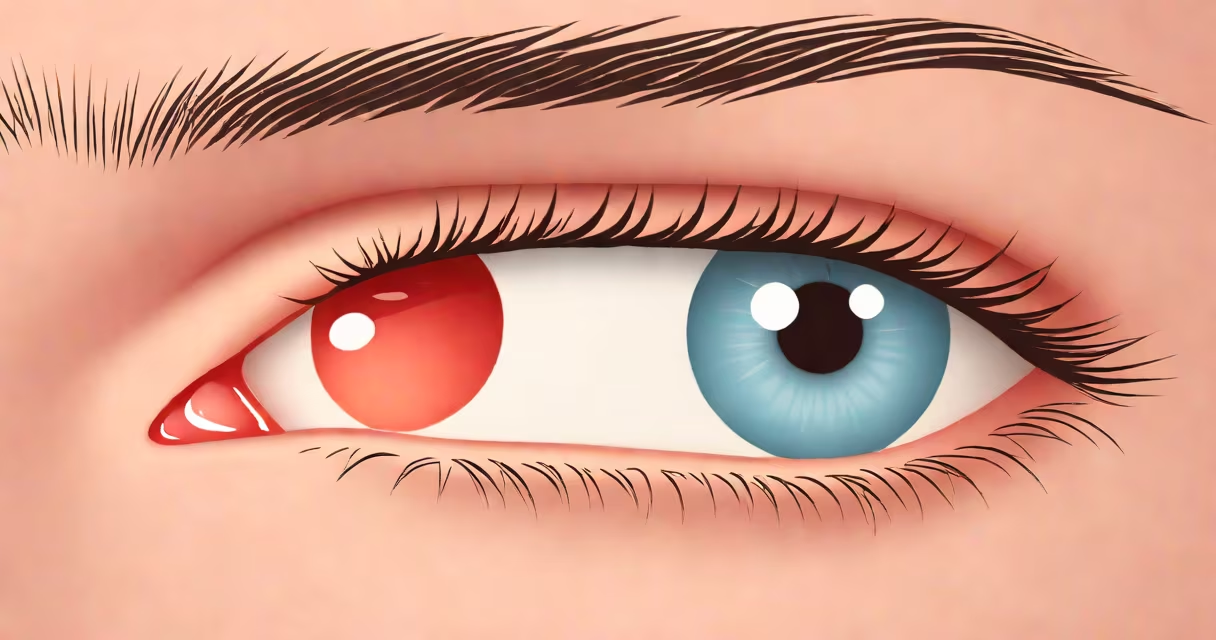
Eye irritation pain refers to discomfort, burning, stinging, or a gritty sensation in or around the eye, typically triggered by environmental exposure, dryness, or underlying eye conditions. It may occur suddenly or persist over time and often affects one or both eyes.
This condition arises when the cornea, conjunctiva, or eyelid margins become inflamed or compromised. Common triggers include allergens, screen use, contact lens wear, or infections. Unlike systemic pain, eye irritation pain is localized and usually worsens with blinking or light exposure.
According to the American Academy of Ophthalmology, dry eye syndrome accounts for over 60% of chronic eye irritation cases. The condition results from insufficient tear production or poor tear quality, leading to surface damage and nerve sensitivity. Without treatment, persistent irritation can progress to corneal abrasions or scarring.
The eye's surface relies on a balanced tear film composed of three layers: lipid (oil), aqueous (water), and mucin (mucus). Disruption in any layer leads to evaporation, uneven distribution, or inadequate lubrication. This exposes corneal nerves, causing pain signals to travel through the trigeminal nerve to the brain.
Environmental factors such as low humidity, wind, smoke, or prolonged screen time reduce blink rate. A normal blink occurs 15-20 times per minute; during focused tasks, it drops to 5-7 times. Reduced blinking increases tear evaporation, accelerating dryness and irritation.
For example, a person working 8 hours daily on a computer reports a burning sensation after 2 hours. They describe a "gritty" feeling, as if sand is in their eye. Upon examination, the ophthalmologist finds reduced tear breakup time (TBUT) below 10 seconds, confirming dry eye disease.
Eye irritation pain stems from several distinct categories, each requiring different management. The most frequent causes include dry eye, allergic conjunctivitis, bacterial or viral infections, and mechanical irritation from foreign bodies or contact lenses.
| Type | Key Features | Typical Triggers | Duration |
|---|---|---|---|
| Dry Eye Syndrome | Burning, grittiness, fluctuating vision | Screen use, aging, autoimmune disorders | Chronic (weeks to months) |
| Allergic Conjunctivitis | Itching, watery discharge, redness | Pollen, dust mites, pet dander | Acute (hours to days) |
| Bacterial Infection | Purulent discharge, swelling, pain with movement | Staphylococcus aureus, Streptococcus pneumoniae | Days to weeks |
| Corneal Abrasion | Sudden sharp pain, photophobia, tearing | Scratch from fingernail, contact lens, debris | Hours to 48 hours |
One non-obvious distinction: itching is rare in dry eye but common in allergy-related irritation. Misdiagnosing allergic conjunctivitis as dry eye leads to ineffective treatment. Antihistamine eye drops help allergies but worsen dryness in some patients.
I once evaluated a patient with persistent eye irritation pain who had tried artificial tears for six months with no relief. A slit-lamp exam revealed subtle corneal staining and elevated inflammatory markers. Further testing showed positive IgE levels to tree pollen. After switching to antihistamine drops, symptoms resolved within 48 hours.
Eye irritation pain warrants evaluation if it lasts longer than 48 hours, worsens despite home remedies, or is accompanied by vision changes, light sensitivity, or discharge. These signs may indicate infection, corneal ulceration, or uveitis-conditions that risk permanent vision loss if untreated.
The American Optometric Association recommends prompt care for pain that interferes with daily activities. For instance, a teacher reporting constant eye pain while reading students' papers should see an eye doctor. Delaying care increases the risk of secondary complications like blepharitis or chronic dry eye.
Seek immediate attention if pain follows trauma-such as a chemical splash or impact-or if the eye appears cloudy, misaligned, or severely swollen. These may signal acute glaucoma or orbital cellulitis, both requiring emergency intervention.
Simple behavioral changes reduce eye irritation pain. Using a humidifier in dry environments, taking a 20-second break every 20 minutes during screen work (20-20-20 rule), and avoiding rubbing the eyes prevent surface damage.
Over-the-counter artificial tears with preservative-free formulations are effective for mild cases. Avoid products containing vasoconstrictors like tetrahydrozoline-they cause rebound redness and worsen dryness with long-term use.
For persistent symptoms, prescription treatments such as cyclosporine (Restasis) or lifitegrast (Xiidra) modulate immune activity at the ocular surface. These drugs improve tear production and reduce inflammation in moderate-to-severe dry eye.
Eye irritation pain is not a minor annoyance-it reflects real physiological stress on the ocular surface. Recognizing its causes and knowing when to act prevents long-term damage. Addressing the root issue early ensures better outcomes and sustained comfort.