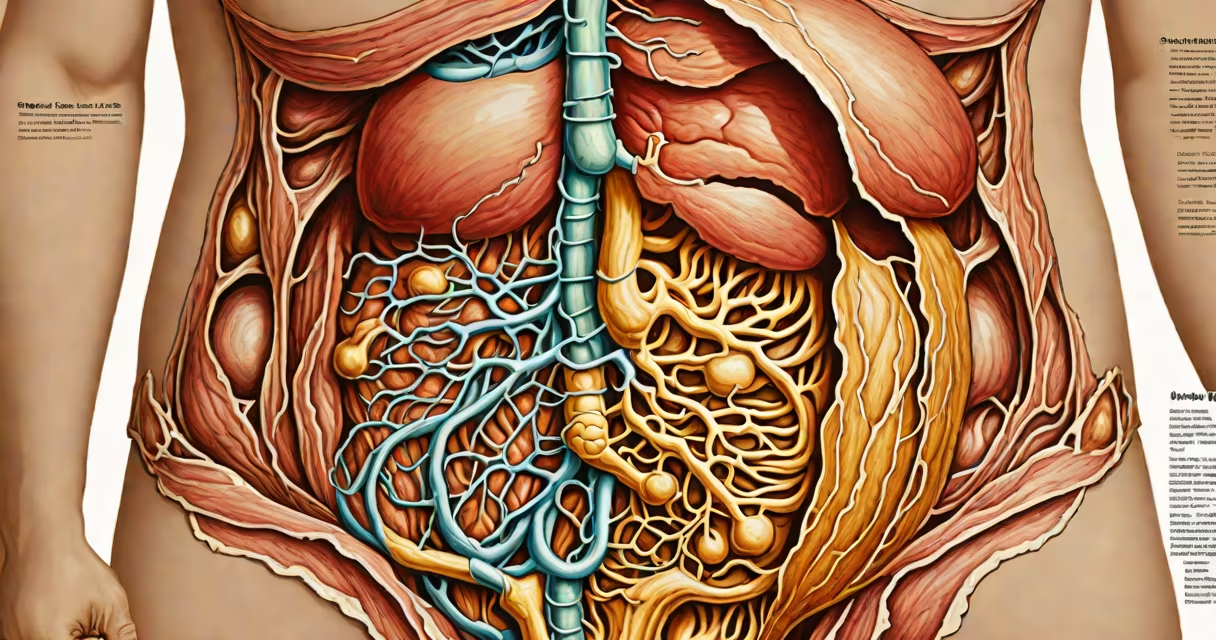
An enlarged abdomen results from fluid accumulation, organ swelling, or excessive gas in the abdominal cavity. This condition may signal underlying health issues ranging from mild digestive disturbances to serious liver or cancer-related diseases.
Abdominal enlargement occurs when volume increases within the space bounded by the diaphragm above and the pelvic floor below. The most common physical causes involve excess fluid (ascites), organ enlargement (such as the liver or spleen), or gas trapped in the intestines. These changes alter the abdomen's appearance and can lead to discomfort or functional limitations.
According to the American Gastroenterological Association, abdominal distension affects approximately 15% of adults in the U.S., with causes varying widely based on age, sex, and comorbid conditions. Not all cases require urgent attention, but persistent or worsening enlargement demands evaluation.
The abdomen contains important organs including the stomach, liver, pancreas, intestines, and spleen. When any of these swell due to disease, infection, or injury, they occupy more space. As pressure builds, the abdominal wall stretches outward, creating visible enlargement. Fluid accumulation further increases volume without necessarily involving organ size.
Gas production in the gut normally occurs during digestion. However, when bacteria ferment undigested carbohydrates in the large intestine, excess gas forms. This gas accumulates in loops of bowel, especially in people with irritable bowel syndrome (IBS) or lactose intolerance. The resulting bloating contributes to a visibly enlarged abdomen.
Fluid buildup-known medically as ascites-develops when plasma leaks from blood vessels into the peritoneal cavity. This process often stems from portal hypertension, a condition linked to cirrhosis of the liver. The liver's inability to filter blood properly increases pressure in the portal vein, forcing fluid into the abdominal space. Ascites can progress rapidly and cause significant discomfort.
Abdominal enlargement falls into three primary categories based on origin: fluid-related, organ-based, and gas-related. Each type has distinct mechanisms and clinical implications.
| Type | Primary Cause | Common Conditions | Key Clinical Clue |
|---|---|---|---|
| Ascites (fluid) | Liver dysfunction or heart failure | Cirrhosis, heart failure, ovarian cancer | Shifting dullness on exam; fluid wave test positive |
| Organ enlargement | Benign or malignant growths | Hepatomegaly, splenomegaly, pancreatic tumors | Palpable mass, asymmetry, tenderness |
| Gas/bloating | Dietary triggers or motility disorders | IBS, small intestinal bacterial overgrowth (SIBO), food intolerances | Increased gurgling sounds; relief after passing gas |
For example, a 62-year-old man with a history of heavy alcohol use presents with a distended abdomen and leg swelling. Ultrasound reveals free fluid in the abdomen and a nodular liver. His diagnosis is alcoholic cirrhosis with secondary ascites-a classic presentation of fluid-related enlargement.
A lesser-known but critical distinction: not all bloating is due to gas. Some patients with chronic constipation develop fecal impaction, which physically distends the lower abdomen. This condition mimics gas buildup but requires manual disimpaction or enemas for resolution.
Many individuals assume abdominal bloating is purely diet-related. While high-FODMAP foods, carbonated drinks, and swallowed air contribute to temporary swelling, persistent enlargement suggests a deeper issue. A study published in *Gastroenterology* found that nearly 40% of patients initially diagnosed with IBS later received a different diagnosis-often involving structural abnormalities or metabolic disorders.
Another frequent error is equating abdominal swelling with weight gain. An enlarged abdomen may result from visceral fat deposition, but this differs from subcutaneous fat. Visceral fat surrounds internal organs and correlates strongly with insulin resistance and cardiovascular risk. It does not always correlate with BMI.
Patients often confuse ascites with obesity. However, ascites fluid is detectable via ultrasound and can be removed through paracentesis. Obesity-related fat distribution is uniform and does not produce shifting dullness or fluid wave signs.
Seek immediate care if abdominal enlargement is rapid, accompanied by fever, vomiting, or difficulty breathing. These signs suggest complications such as bowel obstruction, ruptured aneurysm, or severe infection.
Even gradual onset warrants attention if it interferes with daily activities. For instance, a woman in her 50s noticed her clothes no longer fit despite no change in diet or exercise. She reported early satiety and fatigue. Imaging revealed a large ovarian tumor causing ascites. Early detection led to successful surgical removal.
As a clinician, I've seen patients delay evaluation for months, assuming bloating was normal. One patient with untreated cirrhosis developed spontaneous bacterial peritonitis-life-threatening sepsis from infected ascitic fluid. Prompt diagnosis prevented mortality.
Enlarged abdomen causes are diverse and demand accurate assessment. Identifying the root reason-whether fluid, organ swelling, or gas-is essential for effective treatment and improved outcomes.