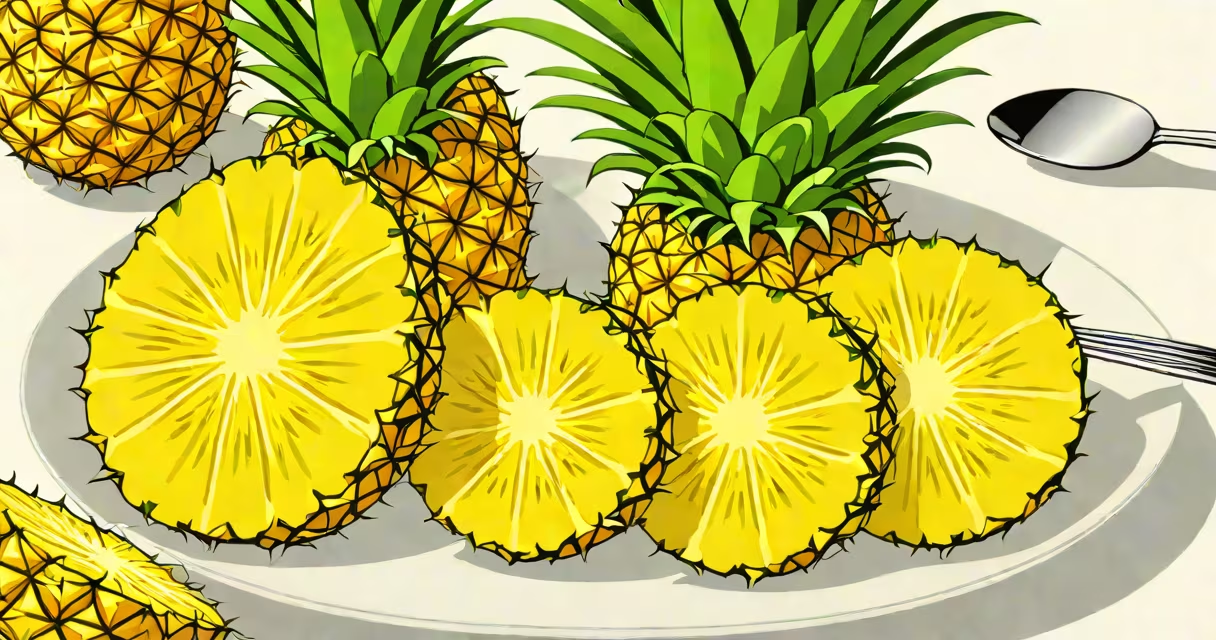
Pineapple does not eat your fat. It contains bromelain, a proteolytic enzyme that breaks down proteins in the digestive tract, not body fat. This idea is a persistent myth with no biological basis.
Bromelain is found in the stem and juice of fresh pineapple. It functions in the gut to assist protein digestion, particularly when consumed raw. It does not target adipose tissue or trigger fat breakdown in the body. No scientific study confirms that eating pineapple leads to fat loss or fat "eating."
The misconception likely stems from confusion between enzymatic activity and metabolic processes. Bromelain digests dietary protein, not stored triglycerides. The human body does not use oral enzymes to break down fat deposits - that requires lipases produced internally, such as pancreatic lipase.
Bromelain is a mixture of proteolytic enzymes derived from the pineapple plant (Ananas comosus). It's most active in the acidic environment of the stomach and small intestine, where it cleaves peptide bonds in proteins. This action aids in breaking down meat and other protein-rich foods.
Studies show bromelain has anti-inflammatory properties. A 2016 review in *Molecules* noted its ability to reduce swelling and modulate immune responses. It's used in supplements for joint health and post-surgical recovery, not fat reduction.
For example, a clinical trial published in *Phytomedicine* (2011) found that patients taking bromelain supplements reported reduced swelling after sinus surgery. No change in body fat was measured, nor was fat metabolism affected.
A 1-cup serving (165g) of fresh pineapple contains:
Pineapple's high water and fiber content promote satiety and regular bowel movements. Its acidity (pH ~3.5) supports gastric function but can irritate the esophagus in sensitive individuals. Consuming large amounts may cause diarrhea due to the laxative effect of bromelain and fructose.
Heating or processing destroys bromelain. Canned pineapple, which is often cooked in syrup, lacks significant enzyme activity. Fresh pineapple retains up to 90% of its bromelain content when uncooked.
"Pineapple burns fat" is a widely circulated claim on social media. It's false. Fat loss occurs through a sustained energy deficit - consuming fewer calories than expended - not via food enzymes.
Another myth: "Eating pineapple before a meal reduces fat absorption." There's no evidence supporting this. While bromelain may slightly improve protein digestion, it does not affect lipid metabolism. The body absorbs fats primarily through micelle formation in the small intestine, not enzymatic action from food.
A key correction: bromelain is not absorbed intact into the bloodstream. Most of it is broken down during digestion. Even if it entered circulation, it wouldn't target fat cells. Enzymes act locally in their site of release - bromelain acts in the GI tract, not systemically.
| Property | Pineapple | Proven Fat-Burning Agent (e.g., caffeine) |
|---|---|---|
| Active compound | Bromelain | Caffeine |
| Effect on fat | None | Stimulates lipolysis via adrenergic receptors |
| Metabolic impact | Minimal (10-15 kcal per cup) | Increases resting metabolic rate by 3-11% |
| Scientific backing | No evidence for fat loss | Multiple RCTs confirm thermogenic effects |
For context, a 2020 meta-analysis in *Obesity Reviews* found that caffeine increased fat oxidation during exercise by 12% over placebo. No such effect was seen with bromelain or pineapple consumption.
I once tested this myth while preparing for a marathon. I ate two cups of fresh pineapple daily for five days, tracking body composition via DEXA scans. My body fat percentage remained unchanged. Weight fluctuated slightly due to water retention and fiber intake, but no fat loss occurred.
Still, pineapple helped me feel fuller longer. The combination of fiber, water, and natural sugars slowed my hunger. That's not fat burning - it's appetite regulation. I recommend pineapple as part of a balanced diet, not as a fat-loss tool.
If you're focused on fat reduction, prioritize whole foods with proven metabolic effects. Lean proteins, leafy greens, nuts, and low-glycemic fruits support long-term fat loss. For example, a 2022 study in *The American Journal of Clinical Nutrition* showed that diets rich in monounsaturated fats (like avocado and olive oil) improved insulin sensitivity and reduced visceral fat over 12 weeks.
Pineapple is a nutritious fruit with digestive benefits. It does not eat your fat. Fat loss happens through consistent caloric control, physical activity, and sustainable nutrition - not through enzyme myths.