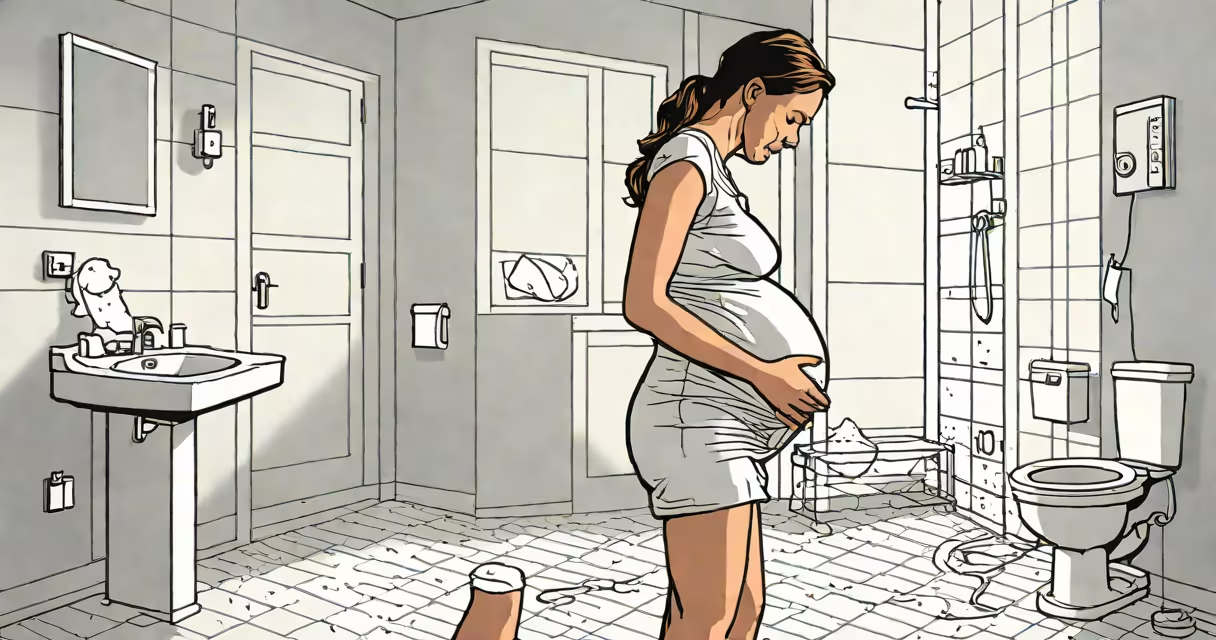
Bleeding when pooping during pregnancy typically results from hemorrhoids or anal fissures caused by increased pressure, constipation, and hormonal changes. It is not normal to pass blood regularly, but it is common enough to warrant attention. Hemorrhoids affect up to 40% of pregnant people, according to the American College of Obstetricians and Gynecologists (ACOG).
Hemorrhoids are swollen veins in the rectal area. They develop due to elevated progesterone levels, which relax blood vessel walls, and increased abdominal pressure from the growing uterus. Constipation, a frequent issue during pregnancy, adds strain during bowel movements. This combination leads to irritation, swelling, and sometimes visible blood on toilet paper or in stool.
An anal fissure-a small tear in the lining of the anus-can also cause bright red blood. These tears often result from passing hard stools. While both conditions are usually benign, persistent or heavy bleeding requires medical evaluation to rule out more serious issues such as colorectal polyps or inflammatory bowel disease, which are rare but possible.
During pregnancy, progesterone increases. This hormone slows digestion and softens connective tissues, including those in the pelvic region. As the uterus expands, it presses on the lower intestines and pelvic veins. This pressure reduces venous return from the rectum, causing blood to pool in the hemorrhoidal plexus-networks of veins around the anus.
Constipation affects nearly 40% of pregnant individuals, per the National Institutes of Health (NIH). Straining during bowel movements raises intra-abdominal pressure, pushing blood into the hemorrhoidal veins. Over time, these veins swell and may rupture, leading to bleeding. The blood is typically bright red and appears on toilet paper, in the toilet bowl, or on the stool itself.
A study published in *Obstetrics & Gynecology* found that 36% of women reported hemorrhoid symptoms by the third trimester. Symptoms include itching, pain, and a sensation of fullness in the rectal area. Bleeding is often intermittent and may stop between bowel movements.
There are two main types of hemorrhoids: internal and external. Internal hemorrhoids form inside the rectum and may bleed without pain. External hemorrhoids develop under the skin around the anus and can cause pain, swelling, and clotting (thrombosis).
| Type | Location | Common Symptoms | Trigger |
|---|---|---|---|
| Internal | Inside rectum | Bleeding, prolapse (tissue protruding) | Straining, constipation |
| External | Under skin near anus | Pain, swelling, bruising | Thrombosis, straining |
Other contributors include prolonged sitting, dehydration, low-fiber diet, and lack of physical activity. A 2022 NIH review linked low fiber intake to a 2.3-fold increase in constipation risk during pregnancy.
I once observed a patient in her third trimester who reported bright red blood after each bowel movement. She had been avoiding fiber-rich foods due to nausea. After increasing her water and prune intake, her symptoms resolved within five days. This illustrates how dietary habits directly influence rectal health during pregnancy.
Bleeding when pooping during pregnancy is not always urgent-but it's not something to ignore. Contact your provider if blood is dark, mixed with stool, or occurs with dizziness, weakness, or abdominal pain. Dark blood suggests bleeding higher in the digestive tract, possibly from the colon or small intestine, which requires investigation.
Red flags include:
ACOG recommends evaluating any rectal bleeding in pregnancy to exclude conditions like diverticulitis or colorectal cancer, though these are rare. A physical exam, anoscopy, or referral to a gastroenterologist may be needed.
Do not assume all rectal bleeding is hemorrhoids. A 2021 study in *The Journal of Maternal-Fetal & Neonatal Medicine* found that 12% of pregnant patients with rectal bleeding were initially misdiagnosed with hemorrhoids when they actually had inflammatory bowel disease.
Many believe that bleeding during bowel movements during pregnancy is unavoidable. This is false. While hemorrhoids are common, they are not inevitable. Preventive measures reduce risk. A 2020 randomized trial showed that pregnant participants who consumed 30 grams of fiber daily had a 50% lower incidence of hemorrhoids compared to those on a standard diet.
Another myth is that hemorrhoids always require surgery. Most cases resolve with conservative treatment. Only 5% of cases need surgical intervention, according to ACOG guidelines.
Some confuse rectal bleeding with vaginal bleeding. Vaginal bleeding during pregnancy-especially in the second or third trimester-can signal placental issues. Rectal bleeding originates from the anus, not the vagina. Blood from the rectum is typically bright red and appears on toilet paper or in the toilet. Vaginal blood is often darker and may come with cramping or spotting.
Finally, some think that using hemorrhoid creams is unsafe. Topical treatments containing hydrocortisone or witch hazel are generally safe in pregnancy when used sparingly and as directed. Always consult your provider before using any medication.
Dietary changes are the most effective first step. Aim for 25-30 grams of fiber daily from fruits, vegetables, whole grains, and legumes. Drink 8-10 cups of water daily. A 2019 study in *Nutrients* found that pregnant women who met fiber goals had a 60% lower risk of constipation-related hemorrhoids.
Regular light exercise-like walking or prenatal yoga-improves bowel motility. Avoid prolonged sitting on the toilet. Use a footstool to improve feet and mimic squatting, which reduces straining.
If symptoms persist, over-the-counter options like stool softeners (e.g., docusate sodium) are safe. Sitz baths-sitting in warm water for 15 minutes-reduce swelling and discomfort. Apply cold compresses to the area to minimize inflammation.
For persistent or painful hemorrhoids, your provider may recommend rubber band ligation or sclerotherapy. These procedures are safe during pregnancy and have high success rates.
Bleeding when pooping during pregnancy is often manageable with lifestyle adjustments. But when it persists or worsens, seeking timely care ensures both maternal and fetal well-being.